
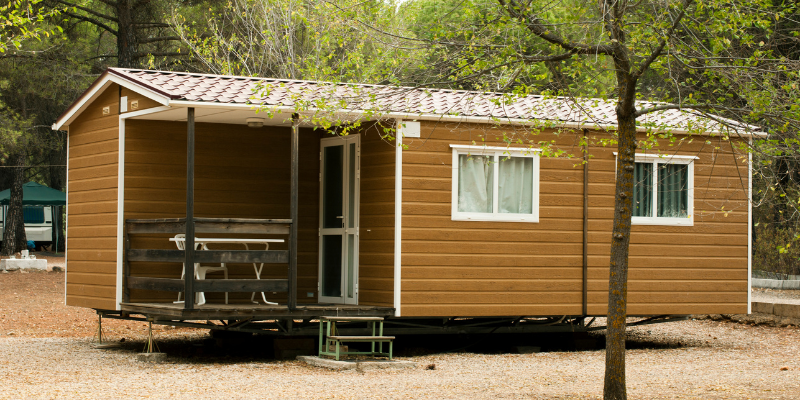
Most people selling a mobile home privately in Texas assume the process works exactly like selling a regular house. Get a Realtor, list it, wait for offers, close. Thirty, sixty, ninety days later, you hand over the keys.
This assumption costs sellers a lot of time and, too often, real money. If you would rather skip the listing process altogether, you can see how we buy mobile homes and have a cash offer on yours this week.
What Is My Mobile Home Actually Worth in Texas?
For years I priced mobile homes the same way appraisers price site-built houses: square footage, recent comparable sales, condition, upgrades. This approach misses the single biggest variable in manufactured housing, which is whether the home sits on owned land or rented lot space.
Right now, a single-wide in the South Census Region is selling at an average of around $93,300, while double-wides are running closer to $163,100, according to Census figures from the first quarter of 2026. Those numbers are for new homes, so a used home will typically land somewhere below those figures, but they give you a ceiling to work from. Set your expectations there first, then adjust down based on age, condition, and what the local park or community looks like to an outside buyer.
Location inside Texas changes everything. A double-wide near San Antonio or in the Hill Country tends to hold its value better than one in a congested urban-fringe market like the I-35 corridor north of Austin, where rising inventory has stretched how long manufactured homes sit before they sell. Sellers who time their sale to a slower market without knowing that context end up chasing a price that’s already moved past them.
Age is a variable that deserves its own honest conversation. Homes built before June 15, 1976, predate the federal HUD code that established minimum construction and safety standards for manufactured housing. Buyers and lenders both treat pre-HUD homes differently, and some lenders won’t finance them at all. If your home was built before that date, your buyer pool skews even more heavily toward cash purchasers, and pricing needs to reflect that reality from the start rather than after two months of no traction.
Pflugerville’s Holloway family learned this the hard way. This past fall, they called a contractor to get estimates on kitchen upgrades they thought would lift the value before listing. A contractor’s quote came back higher than the amount the kitchen renovation could realistically add to any offer they’d receive. They were two weeks from signing that contract when we sat down at their table and ran the actual numbers together. Selling as-is and skipping the renovation put more cash in their pocket, not less, and the deal closed without the headache of a weeks-long construction project.
Condition matters, but the math on renovation versus as-is doesn’t always favor fixing things up. Buyers in the manufactured-home market tend to be more price-sensitive than site-built-home buyers, which means a $15,000 kitchen rarely adds $15,000 to your final offer. Same logic applies to flooring, exterior paint, and deck additions. Cosmetic updates that feel significant to a seller often register as minor to a buyer who is already stretching to meet a purchase price. Price to the market you’re actually in, not the market you wish existed.
One practical step before you settle on a number: check the TDHCA’s online database to confirm your home’s current recorded ownership and any encumbrances. Buyers and their attorneys will look at that record. If the information there doesn’t match what you believe to be true about your home, resolve the discrepancy before you name a price to anyone. A home with a cloudy title record is harder to price accurately and harder to sell quickly.
What Paperwork Do I Need to Sell a Mobile Home in Texas?

Once you’ve settled on your price, the paperwork is where private sales either go smoothly or get stuck for months.
Texas doesn’t use a traditional real estate title for manufactured homes the way other states do. The Texas Department of Housing and Community Affairs, known as the TDHCA, issues what’s called a Statement of Ownership instead. This document records who owns the home, any liens against it, where it’s physically located, and whether it’s classified as personal property or real property. Every time a mobile home changes hands in the state, a new Statement of Ownership has to be applied for through the TDHCA’s Manufactured Housing Division.
The application fee runs $55 for a standard filing. File late, meaning more than 60 days after the sale date, and you’re looking at a $100 penalty on top of that, plus processing delays. Submit everything correctly the first time, and regular processing takes up to 15 business days. The timeline matters when your buyer is waiting on clear title to secure financing or move in.
Beyond the Statement of Ownership application, you’ll need a bill of sale signed by both parties, government-issued photo ID for buyer and seller, and a tax certification from your county’s Tax Assessor-Collector office confirming property taxes are current. The standard form the TDHCA looks for is Form 1076, though not every county uses that exact form. Ask your Tax Assessor-Collector for an 18-month tax certification specific to a manufactured home, and bring a blank copy of Form 1076 so they understand exactly what you need.
Some county offices process that certification in a day or two. Others take one to two weeks, especially in smaller rural counties where the Tax Assessor-Collector’s office handles a wide range of functions with limited staff. If you’re in a county like Loving, Kenedy, or McMullen where government offices run lean, call ahead before you drive in and ask specifically how long manufactured home tax certifications take. One phone call can save you a wasted trip and an unexpected week of waiting.
The lender must provide a written release of any existing lien on the home before the transfer can proceed. Don’t assume that because you made your last payment, the lien was automatically cleared from the TDHCA record. Banks and lending companies sometimes lag on updating those records, and finding out the lien is still showing during the sale process is one of the most common delays I see in private transactions. Pull your home’s record from the TDHCA’s online database before you list, so you’re not surprised later.
If you financed your home through a chattel loan, which is a personal property loan common in manufactured housing when land isn’t involved, the lien release process runs through the lender rather than a county courthouse. Chattel lenders vary widely in how quickly they issue release letters. Some do it within a week of the payoff; others take three to four weeks and require a written request submitted through a specific department. Contact your lender the moment you decide to sell, not after you’ve accepted an offer, and ask them directly what their lien release process looks like and how long it takes.
While Texas law does not require you to hire a real estate attorney for a private mobile home sale, having one review your purchase agreement and closing documents can help prevent costly mistakes. This is especially important if the sale includes seller financing or a lease-to-own agreement. If you’d rather avoid the legal complexity and paperwork, you can sell your mobile home fast in Dallas to Mobile Home Ninja, which buys mobile homes for cash in as-is condition, making the process simple and hassle-free.
How the Cash Offer Process Works From Start to Finish
Sit down with me for a minute, because this process is a lot simpler than most sellers expect.
A cash buyer reviews basic information about your home. Location, approximate size, age, general condition, and whether the land is owned or leased. From that first conversation, a preliminary number comes back quickly, sometimes the same day. That’s not a binding contract yet; it’s a starting point for both sides.
If the preliminary number makes sense to you, the buyer schedules a walkthrough. Not an inspection in the formal sense with a licensed inspector filing a 40-page report, but a firsthand look at the home to confirm what was described. Roof condition, flooring, plumbing, HVAC, and any visible structural issues. That walkthrough usually takes under an hour.
After the walkthrough, the buyer either confirms the offer or adjusts it based on what they found. A reputable cash buyer tells you exactly why any adjustment was made. Vague explanations and mysterious new deductions are red flags. The price should track directly to specific conditions you can see. If a buyer comes back after the walkthrough and drops the number significantly without pointing to something specific and verifiable, that’s a negotiating tactic, not an honest reassessment. You’re entitled to ask for an itemized explanation and to walk away if the answer doesn’t hold up.
A formal purchase agreement follows. This is your legal contract: purchase price, any conditions, closing date, earnest money amount, what personal property stays with the home. Read it. If anything is unclear, ask. A good buyer welcomes questions because a confused seller is more likely to back out later.
Closing in a cash transaction can happen in as few as seven to fourteen days from the signed agreement, assuming the paperwork is clean. At closing, you sign the documents, the buyer submits the Statement of Ownership application to TDHCA, and the funds transfer to you. No waiting 30 to 45 days for a loan to clear underwriting. No last-minute lender conditions that push your closing out another two weeks, which I’ve seen happen more than once right before a seller had to move.
Mobile Home Ninja handles every step of this process with Texas sellers every week. We’re direct buyers who know the TDHCA paperwork inside and out, which cuts out the confusion that slows private deals down.
How Fast Can I Really Get Cash for My Mobile Home?
The clock on a cash sale doesn’t start at closing; it starts the moment the seller’s paperwork is clean enough to proceed.
Most sellers I talk to assume the buyer is the variable that determines speed. Frequently, the delay is on the seller side, specifically an unresolved lien, a tax certification that takes two weeks to get from a slow county office, or a Statement of Ownership that doesn’t match the home’s current physical address because the owner moved the home years ago and never updated the record. Those issues don’t kill deals; they just push timelines out by days or weeks.
A cash buyer with clear title available can close in seven to ten business days. A deal where the seller needs to track down a lien release, correct an address discrepancy on the TDHCA record, and get a duplicate Statement of Ownership issued might take four to six weeks from acceptance to close. Both outcomes are still faster than the average financed sale, which adds lender underwriting, appraisal scheduling, and loan commitment timelines to everything else.
Factors that compress your timeline include: having your Statement of Ownership already verified against the TDHCA database, having your tax certification in hand before you accept an offer, and making sure the home’s legal description matches its actual location. Spending two days on those tasks before you list or contact buyers can save you three weeks at the back end.
Park-owned homes, homes with multiple lien holders, and homes where ownership passed informally through an estate without proper TDHCA filing all take longer regardless of buyer motivation. Inherited homes especially. If a family member passed away and the Statement of Ownership was never updated to reflect the transfer, expect a probate or heirship affidavit to become part of the process. Texas does have an affidavit of heirship procedure that can simplify this, but it still takes time. A real estate attorney who handles manufactured housing transactions can walk you through it. Some attorneys in Texas who work regularly with manufactured housing can complete a straightforward heirship affidavit in a matter of days once they have the necessary family history documentation (death certificates included), so don’t assume that step automatically means months of delay.
Situations We Help Texas Mobile Home Sellers Get Through
Waiting for the “right” situation to sell almost always costs sellers more than acting on the situation they’re actually in.
Divorce forces sales that neither party wanted to make on a timeline neither party chose. Both spouses typically want clean separation, fast closing, and no continued financial entanglement. A cash buyer can deliver all three without requiring two parties who aren’t speaking to coordinate showings, repairs, and agent negotiations. When a manufactured home is community property, and both names appear on the Statement of Ownership, both parties need to sign the transfer documents. A direct buyer who understands that dynamic can structure the transaction to minimize the number of touchpoints the two parties need to share, which I’ve seen make the difference between a deal that closes and one that falls apart at the last signature.
Inherited properties come with emotional weight that makes objective decisions harder. Most families, when a parent or grandparent leaves behind a manufactured home, have four or five people with opinions and one person doing the actual work. A direct cash sale gives everyone a clean exit, funds distributed from a single closing, and no ongoing property management obligations.
Financial pressure, whether from job loss, medical bills, or back property taxes, creates urgency that the traditional market simply can’t accommodate. Tax liens on a manufactured home don’t disappear on their own. They compound. Selling before those liens grow gives you more options than waiting until the debt exceeds the home’s value.
Relocation is another one. People moving for work often need to sell quickly. Managing a showing schedule from a new city in another state is miserable. A direct cash offer with a fixed close date is worth real money to someone who needs this resolved so they can get settled.
Even if your manufactured home has major condition issues such as extensive water damage, foundation problems, roof failure, or years of deferred maintenance, you still have options. We buy mobile homes in Texas in virtually any condition, so you don’t have to worry about making costly repairs before selling. A direct cash buyer factors the home’s condition into the offer and takes care of the repairs after closing. That means you can skip dealing with contractors, preparing the property for showings, or stressing over an inspection that could cause a traditional sale to fall through.
We Buy Mobile Homes in Any Condition Across Texas
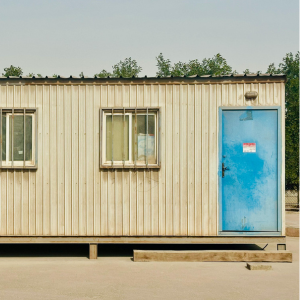
The most common objection from skeptical sellers is some version of: “My home isn’t in good enough shape to sell.”
That concern usually comes from assuming the only buyers are families who want to move in immediately and want everything perfect. Cash investors and direct buyers think differently. They price what the home is worth in its current state, factor in the cost of whatever work they’ll do after closing, and make an offer based on the math. The seller doesn’t pay for repairs. The seller doesn’t manage contractors. The seller gets a check.
Homes with flooring issues, soft spots in the subfloor, aging HVAC systems, roof sections that need replacement, plumbing that’s been temporarily bypassed, outdated electrical panels, and cosmetic damage throughout all sell to direct buyers. None of those items prevent a private cash sale. They affect price, yes. But they don’t shut the door.
Texas weather wears on manufactured homes in ways most sellers do not expect. Gulf Coast homes near Houston, Beaumont, and Corpus Christi deal with humidity and storm damage on a scale that accelerates material degradation. Panhandle homes around Amarillo take a beating from hail and wind. Homes in the Rio Grande Valley face intense heat cycles that affect roofing materials and HVAC components faster than in other climates. Central Texas homes aren’t immune either: the freeze events of February 2021 left behind burst pipes, damaged subfloors, and compromised insulation in manufactured homes across a wide band of the state, and some of those repairs were never completed. A buyer who regularly purchases homes across Texas understands those regional patterns and doesn’t walk when they find weather-related wear.
Homes sitting vacant are actually harder to sell to traditional buyers than occupied ones, because a vacant home brings insurance complications and invites further deterioration. A direct buyer doesn’t need the home to be occupied or presentable. They’ll make an offer on what’s there.
Every City in Texas Qualifies, Not Just the Big Markets
This market is not concentrated in the four big metros. Mobile homes change hands in counties most people would call rural, which tells you exactly how widespread it is across the state.
Rural Texas sells mobile homes every week: Lufkin, Nacogdoches, Gainesville, Stephenville, Kerrville, Uvalde, Del Rio, Pecos, Plainview. Smaller towns between San Marcos and Laredo. Communities in the Piney Woods, the Rolling Plains, and along the Brazos River corridor. Buyers who specialize in manufactured housing don’t limit themselves to Dallas, Houston, San Antonio, and Austin. The homes are everywhere; the market is everywhere. Whether you need to sell your mobile home fast in Houston or you are looking for mobile home cash buyers in San Antonio, the coverage is the same across the state.
What changes by location is price, days on market, and buyer demand. A manufactured home in Collin County near Frisco or McKinney benefits from North Texas employment and population pressure. The same floor plan in a rural county two hours east sells slower and at a lower price point, but it still sells. The buyers in smaller markets tend to be local residents, investors who specialize in affordable housing, or buyers priced out of site-built homes in those areas.
Are you in a smaller Texas community and wondering whether anyone would even want to buy your home? The answer is almost always yes, as long as the price reflects the local market. Sellers in smaller markets sometimes overprice because they’ve been watching Dallas and Austin real estate news and assume those numbers apply everywhere. They don’t, and pricing to the wrong market is how homes sit unsold for months in places where reasonably priced inventory moves quickly.
San Marcos, Victoria, Midland, Odessa, Abilene, Wichita Falls, Tyler, Longview, and Texarkana all have active manufactured-home buyer pools. The Texas Panhandle and the Trans-Pecos region have their own buyers, many looking for affordable rural property. Communities in the Rio Grande Valley from McAllen to Brownsville see steady demand from buyers who understand the regional market and the particular mix of financing and cash deals that work there. College Station, Killeen, and the communities surrounding Fort Hood see consistent demand tied to military and university populations, which creates a reliable baseline of buyers looking for affordable housing options outside the conventional market.
Why Texas Mobile Home Sellers Choose Us Over the Competition
A cash offer that never materializes costs you weeks you cannot get back. Most buyers say the right things up front, and for a lot of them that is where it stops.
What breaks down in practice is the post-offer process. Buyers who lowball after the walkthrough, who discover “new” problems that weren’t really new, who ask sellers to fix things as a condition of moving forward, who push the close date back repeatedly without explanation. Sellers who’ve been through that kind of experience once are understandably skeptical the second time around.
The difference with a serious direct buyer comes down to consistency between the offer and the close. The number offered after the walkthrough should be the number that appears on the closing documents, absent a material discovery that was genuinely undisclosed. Sellers who’ve worked with us describe the process as predictable, and that predictability is worth something specific: no time wasted replanning your life around a deal that falls apart.
Speed matters, but reliability matters more. A cash offer that actually closes in two weeks beats one that promises to close in one week and then stretches to six. Ask any buyer you’re considering how many mobile home transactions they’ve closed in Texas in the last 12 months, what their average time from offer to close looks like, and whether they can refer you to a past seller. Buyers who deflect those questions are telling you something important.
Sellers also value not being managed or talked down to. The people who contact us tend to feel embarrassed about their home’s condition, or overwhelmed by the paperwork, or unsure about their rights in the transaction. None of that should be part of the experience. Good buyers explain the process clearly, answer questions without pressure, and respect that buying a home is a major financial and personal decision. You should come away from every conversation with a buyer feeling more informed than when you started, not more confused or more pressured.
We Have Helped Mobile Home Sellers All Across Texas
Buyers who work across the whole state of Texas see opportunities where sellers only see obstacles, and the range of situations we have closed makes that clear.
Across our time working with Texas sellers, no two situations are alike, but the core need is consistent: sellers want a fair price, a clear process, and a timeline that works for their life, not the buyer’s convenience. We’ve closed deals in the Hill Country and in the Panhandle. We’ve bought homes in manufactured housing communities inside Loop 410 in San Antonio and in rural communities two hours north of Amarillo.
The paperwork intimidates more sellers than any other part of the process. TDHCA requirements, Statement of Ownership applications, tax certifications from county offices, lien releases, purchase agreements, binding contracts with correct legal language. Sellers who try to navigate all of that without guidance sometimes make errors that delay or complicate the transfer. A single transposed digit on a HUD certification label number, for example, can cause the TDHCA to flag an application for manual review, adding days to the process (I’ve seen it happen on otherwise clean deals). Working with a buyer who knows the process removes that burden completely.
Marcus Mitchell reached out to us on a Thursday about a property in Seguin he’d inherited from his uncle. The single-wide had been in the family for thirty years, and the garage was packed floor-to-ceiling with his uncle’s tools, furniture, and equipment accumulated over decades. Three siblings were involved, and every one of them lived in a different state. By Monday of the following week, we had a formal offer on the table. Marcus told us the thing he valued most wasn’t the speed; it was that we handled the TDHCA paperwork and he didn’t have to coordinate four people in four different states to get a single document signed. The garage contents, every bit of it, stayed. We sorted it.
If you’ve been sitting on a home you’re not sure how to sell, Mobile Home Ninja works with sellers in exactly that position every week. We know the Texas market, we know the paperwork, and we buy homes others won’t touch.
Stop Wasting Time with Buyers Who Are Not Serious

I used to think every inquiry deserved equal attention, that the ninth person to call about a home had the same likelihood of buying it as the first. That was wrong.
Serious buyers ask specific questions: lot lease terms, TDHCA record status, property tax amounts, included appliances, roof age, HVAC condition. Browsers ask vague ones: “Is the price negotiable?” without any intention of making an offer. Learning to distinguish between the two early in the process saves you weeks of showing a home to people who are curious but not committed.
Asking for proof of funds upfront is reasonable and not offensive to real buyers. A qualified cash buyer has no objection to showing you a bank statement or letter confirming they can close. A buyer who balks at that request is signaling that the funds may not actually be there, which in my experience saves you from a deal falling apart two weeks before closing.
Private sellers also make the mistake of accepting verbal commitments without earnest money. An earnest money deposit, even a modest one, creates a contractual, binding relationship with actual skin in the game. Buyers who refuse to put up earnest money aren’t serious buyers. No earnest money means no consequences for walking away, and buyers without consequences walk away constantly. For a manufactured home in the $60,000 to $100,000 range, earnest money of $500 to $1,500 is a reasonable expectation. It doesn’t need to be a large number; it needs to be a real one.
Get everything in writing. Every agreement, every condition, every timeline. A handwritten bill of sale is legally recognized in Texas, but a written purchase agreement that spells out terms, conditions, contingencies, and closing dates protects both parties far better than any handshake or text message. The legal agreement doesn’t have to be complex; it has to be complete.
If you’ve dealt with unreliable buyers, failed financing, or an unsuccessful private listing, selling directly to a cash buyer can eliminate those headaches. Cash buyers are ready to purchase manufactured homes without relying on mortgage approval, selling another property first, or comparing dozens of other homes before making a decision. That means fewer delays, fewer surprises, and a faster, more predictable closing. Mobile Home Ninja buys mobile homes for cash, making the process simple from start to finish. Call us today to receive a no-obligation cash offer and see how quickly you can sell your mobile home.
Frequently Asked Questions
Can I Sell My Mobile Home Without a Realtor in Texas?
Yes, and many sellers do. Texas law doesn’t require a licensed real estate agent, sales agent, or real estate broker to be involved in a private mobile home sale. You’ll need a proper purchase agreement, correct TDHCA paperwork for the Statement of Ownership transfer, and clear disclosure of any known property conditions. Sellers who go the direct route to a cash buyer skip commissions entirely and often close faster than they would through a traditional listing.
Which Documents Does the TDHCA Require for a Private Sale?
The core documents are a bill of sale signed by both buyer and seller, a completed Application for Statement of Ownership submitted to the TDHCA, a tax certification from your county Tax Assessor-Collector confirming taxes are current, and a lien release from any lender if there’s an outstanding loan on the home. Government-issued photo ID is also required from both parties. Filing the Statement of Ownership application within 60 days of the sale avoids a penalty fee and processing delays.
Do I Have to Report the Sale of a Mobile Home to the IRS?
Generally yes, if the sale results in a capital gain. If you sold the home for more than you originally paid and it was not your primary residence, the profit may be taxable. Primary residences can qualify for the standard capital gains exclusion under IRS rules, but manufactured homes are treated differently depending on whether they were classified as real property or personal property. Talking to a tax professional who understands both real estate and personal property transactions in Texas is the most reliable way to know your specific obligation.
Is a Handwritten Bill of Sale Legal in Texas?
A handwritten bill of sale is legally recognized in Texas, provided it includes the names of both buyer and seller, a clear description of the property being sold, the agreed purchase price, and signatures from both parties. That said, a handwritten document alone won’t satisfy the TDHCA’s requirements for a Statement of Ownership transfer. You’ll still need the official application and supporting documents. Using a written purchase agreement with typed terms alongside a bill of sale gives both parties stronger legal protection throughout the transaction.
If you want to talk through your options with someone who actually knows the Texas manufactured housing market, we’re here. No pressure, no obligation. Reach out to Mobile Home Ninja whenever you’re ready, whether that’s today or after you’ve had time to think it over.
Helpful Texas Blog Articles
- How to Sell a Mobile Home Without Land in Texas
- How to Sell a Mobile Home With a Lien in Texas
- How to Sell a Fire-Damaged Mobile Home in Texas
- How To Sell A Manufactured Home in Texas
- Selling A Mobile Home Privately in Texas
- Mobile Home Bill of Sale Template
- FSBO Mobile Home in Texas
- What Are My Rights as a Mobile Home Owner
- Selling a Mobile Home Without Inspection
- How to Sell an Older Mobile Home in Texas for Top Dollar
- Can You Get a Reverse Mortgage on a Manufactured Home