
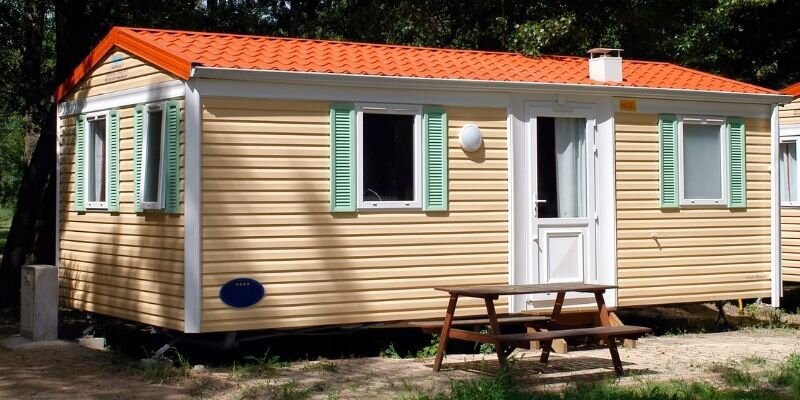
Picture this. You’ve owned your home for years, paid it off, and kept the yard tidy. One Tuesday, a notice lands on your door. The park is changing hands, and your lot rent will jump by $200 a month in 60 days. No negotiation. No warning past the legal minimum. Nobody asks about the fact that moving a mobile home costs more than some people earn in a year. For Texas park residents, that isn’t hypothetical, and it is why knowing your rights as a mobile home owner matters long before the notice lands.
Texas puts the protections for park residents in one place, Chapter 94 of the Texas Property Code. Knowing your rights is the difference between standing your ground and signing whatever the park manager slides across the table.
What Texas Chapter 94 Covers and Why It Matters
A family in Garland called me a few years back. Their park had been bought by an out-of-state company. Within weeks, management posted new rules on the doors and called them effective that day. They had no idea that in Texas, a new or changed park rule waits until the 30th day after every tenant gets a written copy. Once they read Chapter 94 of the Texas Property Code, they knew where they stood.
Chapter 94 governs one specific arrangement. You lease a lot in a manufactured home community, and you put your own home on it. The chapter covers communities where four or more lots are offered for lease. It also reaches recreational vehicles and park model units up to 400 square feet once they are anchored to the lot. If the landlord owns the home and rents it to you, a different chapter applies.
Manufactured home communities are a niche housing market in Texas. They are part of the affordable housing stock from Dallas out through Fort Worth, Arlington, Garland, and the smaller towns past the county line. Chapter 94 covers written leases, lease renewal notices, park rules, eviction procedures, utility disclosures, security deposits, landlord maintenance duties, and retaliation. Think of it as the rulebook for the landlord and tenant relationship in a Texas community. Without it, park owners would hold nearly unlimited power over residents who own their homes but rent the ground.
Calling it a “mobile home” is actually a misnomer. Once the home is set on the land, moving it gets risky or sometimes, impossible, and a full move with setup typically runs about $6,500 for a single-wide and $11,500 for a double-wide. The cost of moving a mobile home is exactly why Chapter 94 matters. You can’t just leave when a landlord mistreats you.
Qualified Residents: Who Is Protected Under the Law?
Protection turns on the lease, not on who owns what. If you lease the lot and your own home sits on it, Chapter 94 covers you.
Your rights here cannot be signed away. Any lease provision or park rule that waives a right, or that excuses the landlord from a duty under Chapter 94, is void. A clause buried on page four does not undo the statute.
Own your home outright but live in a park? You’re still a leaseholder on the land, so Chapter 94 protects you. Most park residents own the structure and not the soil underneath, which leaves them exposed to lot rent hikes and landlord rules. That tension between owning your structure and renting your soil defines mobile home park tenancy. It’s why the law had to carve out protections for this group.
What Are Your Rights as a Mobile Home Owner?

Some landlords hand you a rule sheet and treat it as something separate from the lease. In Texas, the community rules are part of the lease, and a new rule does not bind you the day it goes up on the board.
Texas sets no annual cap on lot rent and no limit on how often it can rise at renewal. What Texas controls is the paperwork. A lease clause that lets the landlord raise rent or fees during the term is void unless you have initialed it. At renewal, the landlord has to send you either a notice to vacate or an offer to renew no later than the 60th day before your term ends, and that offer has to state the proposed rent and any changed terms. You then have until the 30th day before expiration to accept or reject it.
You get 180 days of written notice before the community changes its land use in a way that pushes you out. That notice goes to you, to the homeowner, if that is someone else, and to any lienholder, and the landlord also has to post it in an easily noticeable spot in the community. Texas gives park residents no right of first refusal when the park itself sells, so the 180-day clock is the real protection.
Your landlord cannot walk onto your lot whenever they feel like it. Entry needs your consent, or written permission for a set date and time, with narrow exceptions for emergencies and abandoned homes. Your landlord also cannot interfere with tenant meetings about park living. On upkeep, Chapter 94 hands the landlord a specific list. Keep the common areas clean and usable, maintain the utility lines the landlord installed, keep the roads passable to every lot, provide garbage collection, maintain the mailboxes, and repair conditions that materially affect health or safety. You can sell your home right where it sits, with one condition Texas builds in. The buyer has to be approved in writing by the landlord and has to sign a lease. What the landlord cannot do is force you to list through them, or take a commission out of your sale, unless you agreed to that in writing. If you’d rather sell your mobile home for cash than wait out a listing, that’s a different path from a park dispute, and one worth pricing early.
Chapter 94 puts teeth behind this. Retaliate against a tenant who asks for repairs, exercises a right under the lease or the statute, or complains to a code office or a utility, and the landlord owes a civil penalty of one month’s rent plus $500, actual damages, court costs, and attorney fees. A court also cannot approve an eviction it finds was filed to retaliate. Join a tenants’ association, file a complaint, and suddenly your manager writes you up for every scuff on the siding? That pattern can become its own complaint.
Rental Agreement Rules for Mobile Home Parks
I used to think a verbal month-to-month arrangement was normal in older parks. It isn’t, and residents who accepted it gave away protections they were owed.
Your landlord has to offer an initial lease term of at least six months, and the lease has to be typed or printed and handed to you before you sign. It spells out the lot, the term with start and end dates, the rent and when it is due, late fees, the security deposit, who handles maintenance, who to call in an emergency, the agent for notices, the grounds for eviction, and a prominent statement that Chapter 94 governs the arrangement. If your current lease is missing any of that, flag it with management before you renew.
Ask for the park rules in writing at the same time you get the lease, since the two work together. Keep your signed copy somewhere you can find it. Lot disputes usually come down to what the paperwork says, and the resident who can produce the document holds the stronger hand.
Park rules in Texas cannot be arbitrary or unpredictable, and the landlord can add to them or amend them. Timing is where your protection sits. A new or amended rule takes effect on the 30th day after every tenant gets a written copy. If following it costs you more than $25, you get at least 90 days to comply. So a manager who posts a re-siding rule on Monday cannot write you up on Tuesday.
Sublease arrangements follow what your written lease allows, so the lease is the first document to read. If your rental agreement says nothing about subletting, get a written answer from your park manager before a subtenant moves in.
Security Deposit Rules for Mobile Home Tenants
Last year, I worked with a family in Mesquite who had been in their park for nine years and never tracked their original security deposit paperwork. When they moved, the manager withheld nearly the whole amount for reasons that looked pretextual. Documentation from day one would have changed that conversation.
The rules here are specific, and they are not the ones people expect. Texas puts no dollar cap on a lot security deposit. The landlord may require one when you sign the initial lease, and has to keep accurate records of it.
There is no trust account rule in Texas either. What you get instead is a deadline. The landlord has to refund the deposit no later than the 30th day after you surrender the lot, and normal wear and tear cannot come out of it. If any of it is kept, you are owed a written, itemized list of the deductions.
One catch trips people up. The landlord owes you nothing until you hand over a written forwarding address, so send it the day you leave and keep a copy. Do not hold back the last month’s rent because you have a deposit on file, either, since bad faith there costs you three times the amount you kept. Keep your receipt for the whole tenancy. A landlord who withholds in bad faith owes $100, three times the amount wrongly kept, and your attorney’s fees.
Park Rules and the Paperwork Your Landlord Owes You

Wondering whether the rules your park manager handed over are enforceable? Start with two questions. When did they hit, and what do they cost you?
Texas works differently from states that run a park oversight agency. There is no annual park registration here, and no state regulator that referees lot rent or lease disputes. Chapter 94 is enforced by you, in court, with the statute as your authority.
Your landlord does owe you disclosure. Ask in writing for the name and address of the recorded title holder and of any off-site management company, and you are owed an answer within seven days unless it is already posted or written into the lease. If that information goes stale, the landlord has 15 days to correct it. Hours for any common area facility have to be posted at the facility.
There is another issue worth checking if you own the manufactured home itself: can you get a reverse mortgage on a manufactured home? Sometimes, but eligibility depends on more than simply owning a manufactured home. The home generally has to meet specific property, age, ownership, and occupancy requirements, and the way it is titled and whether it is permanently affixed to the land can matter. A manufactured home sitting on leased park land can therefore face different financing options than a manufactured home where the owner also owns the underlying land.
The test for a park rule in Texas is whether it is arbitrary or unpredictable, which is a question for a judge rather than a rulebook. Cost is the practical benchmark. Any rule that makes you spend more than $25 has to give you 90 days, and every new rule waits 30 days from the day tenants get it in writing.
Texas Legislature Updates That Affect Mobile Home Owners
Residents assume that once a law passes, the protections lock in and parks follow them. Each new bill tends to close gaps the last one left, and landlords work those gaps hard in the meantime.
Chapter 94 has been rewritten in pieces since the Legislature created it in 2001, effective April 1, 2002. House Bill 1460 reworked much of it in 2007, effective January 1, 2008. Senate Bill 1268 followed in 2013, House Bill 302 in 2019, and House Bill 2037 in 2025. Each one closed a gap that the last one left.
House Bill 2037 is the one to know right now. Since September 1, 2025, notices under the lease subchapter can go by email, but only where you and the landlord or the landlord’s agent have already emailed each other. The community can designate one address for tenants to use. The same bill spelled out that managing agents, leasing agents, and resident managers act as the landlord agent for notices. It also tightened the repair and deduct route, so if you fix a health or safety condition the landlord ignored, you need a licensed contractor and documented expenses.
One thing Texas has not done is give residents a shot at buying the park. There is no notice of intent to sell in Chapter 94, and no window to organize an offer. If your community is on the market, your leverage comes from the 180-day land use notice and from whatever your lease says, not from the statute.
Programs and Resources for Mobile Home Park Residents

Resident groups do buy their own communities, and the financing for it runs through national lenders rather than any Texas program. Knowing the option exists before your park hits the market is the whole advantage.
Texas doesn’t have a state mediation program for lot tenancies, so your paper trail is the starting point. Put every request and every complaint to the landlord in writing, and keep the copies.
For anything touching your home itself, rather than the lot, the Manufactured Housing Division of the Texas Department of Housing and Community Affairs is the right office. That covers titles, installation, licensed retailers and installers, and HUD code standards. Their consumer line is 877-313-3023.
For parks facing sale or closure, the cooperative pathway is real. ROC USA finances resident purchases of manufactured home communities nationwide and provides at least 10 years of technical support after the sale. For legal help in the Dallas area, Legal Aid of NorthWest Texas serves income-eligible residents, and the Texas State Law Library keeps a plain-language guide to landlord and tenant law. Park residents who start early are usually the ones who pull it off.
Mobile Home Ninja is a practical first stop for Texas mobile home owners weighing their options, whether that means selling, staying put, or just getting clear on what they own.
How Chapter 94 Gets Enforced in Texas
Enforcement here starts with you, not with an agency.
Chapter 94 hands the remedy to the tenant and to the courtroom. Violate the chapter and the landlord can owe actual damages, a civil penalty equal to two months’ rent plus $500, and your reasonable attorney fees and costs. Retaliation carries its own penalty of one month’s rent plus $500 on top of damages and costs.
Eviction has its own guardrails. A landlord cannot lock you out, evict you, or make you move out of the home without a writ of possession from a court. If you disclosed a lienholder, the landlord has to notify that lienholder within three days of filing for possession. A court cannot approve an eviction it finds was retaliatory, and it cannot issue the writ before the 30th day after judgment if you paid the rent due for that 30-day stretch.
In practice, most of these disputes land in a justice of the peace court, and the paperwork you kept is what decides them. If your landlord has a pattern of ignoring residents, a housing attorney who handles manufactured home cases is worth a call.
Where to Take a Complaint
Sending a complaint to the wrong office wastes weeks you may not have.
Sort the problem by who has authority over it. Lot rent, lease terms, deposits, park rules, and eviction sit with Chapter 94 and the courts, which means a written notice to the landlord agent first and a justice court filing if that fails. Anything about your home itself, its title, or the retailer or installer who sold or set it goes to the Manufactured Housing Division at 877-313-3023 or complaints@tdhca.texas.gov.
Whatever you file, send copies and keep your originals. Strip personal information the office does not need, like Social Security numbers or bank account numbers.
Gather everything, either way, the lease and the park rules, the notice to vacate, or the delinquency notice, every message with management, and dated photos of the conditions you are citing. Written notice to the landlord agent is the step people skip, and it is the one that starts most of the clocks in Chapter 94.
I have watched residents skip the written notice, figuring it would not move things along fast enough. That paper trail is what a judge reads later, so it is worth the twenty minutes.
Other Agencies That Touch Mobile Home Park Life
Several other agencies touch mobile home park life in ways residents rarely know about, especially once a problem stops being a lease question.
Water is the clearest example. If your community runs its own public water system, the Texas Commission on Environmental Quality regulates it, so bad water is a TCEQ complaint rather than a lease dispute. Chapter 94 still requires your landlord to maintain the utility lines the landlord installed and to repair conditions that materially affect health or safety.
Local governments matter too. Zoning and land use decisions affecting mobile home parks, including closures and redevelopment, usually run through county planning departments or city councils. If your community is being rezoned for something else, the city calendar is where that gets decided, and residents who show up early are the ones who get heard.
The Texas Attorney General takes consumer complaints under the Deceptive Trade Practices Act, which is the route when a seller or an operator misled you outright. Unsafe conditions on the ground are a call to city code enforcement.
A couple in Oak Cliff came to me on a Wednesday, three months behind on lot rent, with a court date already circled on the calendar. They felt trapped, assuming the only options were paying the full balance or losing the home. In reality, the park had never sent the written delinquency notice that starts the 10-day cure clock in Texas, and it had no writ of possession. That gave them room to move. Our team at Mobile Home Ninja helped them think through the options before they decided anything.
If you’re in a similar spot, Mobile Home Ninja is a good first call. We know the Texas market and can help you sort out whether your situation is a court matter, a local government issue, or something else.
Frequently Asked Questions
What Are the Rules for Mobile Home Parks in Texas?
Texas manufactured home communities fall under Chapter 94 of the Texas Property Code, which applies wherever four or more lots are offered for lease. Your landlord has to offer an initial term of at least six months, hand you a typed or printed lease before you sign, and state in that lease that Chapter 94 governs it. Park rules count as part of the lease and take effect 30 days after tenants get them in writing. Eviction takes a court, and a writ of possession, and rights under the chapter cannot be waived.
How Long Does It Take to Get Evicted From a Mobile Home?
In Texas, it depends on the reason. For unpaid rent, the landlord has to send a written notice and give you until the 10th day after you receive it to pay in full. From there, the landlord still has to win an eviction suit and get a writ of possession from the court. If you pay the rent due for the 30 days after judgment, the court cannot issue that writ before the 30th day. Contesting it stretches the timeline further.
How Much Can a Mobile Home Park Raise Rent in Texas?
Texas sets no cap and no annual limit. What it controls is when and how. A lease clause that allows a rent or fee increase during the term is void unless you have initialed it. At renewal, the landlord has to send a notice to vacate or an offer to renew by the 60th day before your term ends, and that offer has to state the proposed rent and any other changed terms. You have until the 30th day before expiration to reject it.
What Is the Downside to Owning a Mobile Home?
The biggest practical downside is that you own the structure but not the land, so your biggest asset sits on ground someone else controls. Moving a mobile home often runs $6,500 or more, which traps homeowners when lot rent climbs out of reach. Financing is harder to get than on a conventional home, and resale values don’t always appreciate the way site-built homes do. Chapter 94 of the Texas Property Code sets the floor on lease terms, notice, deposits, and eviction, and those rights cannot be signed away.
Where to Go From Here
Not sure where you stand on a rent hike, a management dispute, or a decision about selling? You don’t have to sort it out alone. The team at Mobile Home Ninja works with mobile home owners across Texas and can help you understand your situation without pressure. We buy mobile homes in any condition, with no fee and no obligation to hear an offer. Whether you need to sell your mobile home fast in Fort Worth or you are weighing cash mobile home buyers in Arlington, we can walk you through the numbers first. Reach out when you’re ready.
Helpful Texas Blog Articles
- How to Sell a Mobile Home Without Land in Texas
- How to Sell a Mobile Home With a Lien in Texas
- How to Sell a Fire-Damaged Mobile Home in Texas
- How To Sell A Manufactured Home in Texas
- Selling A Mobile Home Privately in Texas
- Mobile Home Bill of Sale Template
- FSBO Mobile Home in Texas
- What Are My Rights as a Mobile Home Owner
- Selling a Mobile Home Without Inspection
- How to Sell an Older Mobile Home in Texas for Top Dollar
- Can You Get a Reverse Mortgage on a Manufactured Home