
Most owners never hear that selling a mobile home without an inspection is perfectly legal in Texas until they are already under contract.
Plenty of them find out at the worst possible time. A mobile home transfer carries its own set of rules, separate from what applies to traditional stick-built properties. That surprise has killed more sales than most people realize, and it doesn’t have to happen to you. Skipping a pre-sale inspection is a valid choice. Knowing what you’re walking into first is what separates a smooth close from a rocky one.
How Is a Mobile Home Inspection Different From a Standard Home Inspection?
A family we worked with had been living in their mother’s single-wide in Mesquite for years after she passed. Her adult children finally decided to sell. They assumed the process would mirror a regular home sale. It didn’t.
Mobile homes in Texas run under a completely different regulatory framework than site-built houses. Ownership does not pass at all until a completed Application for Statement of Ownership reaches the state. That requirement comes from Texas Occupations Code Chapter 1201, the Manufactured Housing Standards Act, and the filing window is 60 days from the sale. A standard home inspection follows general building codes. A mobile home inspection follows the federal HUD Code instead. Those standards cover conditions that put the occupant or the public at risk, including the systems and devices inside the home. That is what generates requests for what inspectors call a “HUD-code inspection” or a “foundation certification.”
A conventional home inspector isn’t trained on pier-and-beam systems, tie-down requirements, or vapor barrier specifications specific to manufactured housing. The Manufactured Housing Division of TDHCA sets the standards a manufactured home has to meet, and local building codes do not apply to a HUD-code home the way they apply to a site-built house. That covers structural framing, roofing, siding, plumbing, electrical, mechanical, and fire sprinkler systems. So the inspector you bring in needs to know those boundaries. The distinction matters for pricing, for liability, and for deciding whether to skip the inspection at all.
What Does a Mobile Home Inspection Typically Cover?
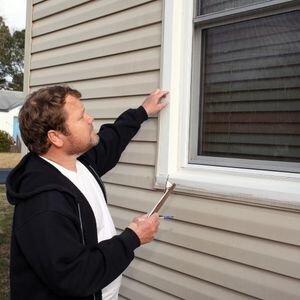
Some sellers push back here. “My place is fine. Why do I need someone walking through it with a clipboard?” Fair point. Knowing what an inspector actually looks at still helps you decide whether bypassing that step creates real risk or just saves time.
A qualified manufactured home inspector checks the roof for soft spots and moisture intrusion. Underneath the home, they look for drainage problems and water damage around the plumbing. They test the HVAC systems. They also verify that the electrical panel and outlets meet safety standards. Crawlspace condition matters just as much as the interior. Skirting gaps, damaged insulation, and compromised vapor barriers all get flagged. Inspectors examine fire safety features, ceiling heights, exits, room and hallway sizes, light and ventilation, safety glass, and the full range of electrical, mechanical, and plumbing installations.
Lenders care a lot about inspection findings. If a buyer is financing, their lender will almost always require a satisfactory inspection before funding the loan. Cash buyers can proceed without one. We buy mobile homes that way, with no lender in the middle. For sellers trying to move quickly, that’s worth keeping in mind when you decide which type of buyer to target.
What Does It Mean to Sell a Mobile Home As-Is Without an Inspection?
Selling as-is means putting the property on the market in its current condition. You don’t order a pre-sale inspection yourself, and you don’t commit to fixing whatever the buyer’s inspector turns up later. The sale price reflects the known and unknown conditions of the home, deferred maintenance included. Sellers who go this route usually attract cash buyers, investors, or house flippers rather than owner-occupants using traditional financing.
Texas doesn’t legally require a pre-sale inspection, but known problems still have to be disclosed. Skipping the inspection doesn’t mean skipping the paperwork. Sellers still complete a Seller’s Disclosure Notice listing known defects, the form Texas Property Code Section 5.008 calls for. That form asks directly about flooding and floodplain history, and a lead-based paint disclosure applies to homes built before 1978. Those documents are mandatory whether or not an inspector ever sets foot inside the home.
A buyer who bought a home as-is, received full disclosures, and signed off on the condition has very limited grounds to come back later claiming you hid something. Your paper trail is your best defense. Fill out the disclosures honestly and keep copies.
When Does It Make Sense to Sell a Mobile Home Without an Inspection?
Sellers often assume that skipping an inspection costs them money, because buyers want a lower price to cover the unknown. In practice, that math breaks down once you add repair costs back into the equation.
Repairing a roof, replumbing aging lines, or replacing an HVAC system can run thousands of dollars before you ever list. Say those repair costs approach the price difference between an as-is offer and a traditional sale. Skipping the inspection then produces a better net outcome. A qualified mobile home inspector in Texas also charges more than a standard home inspector, because of the specialized knowledge involved. Budget for that gap before you commit to the inspection route.
Skipping an inspection makes the most sense in a few specific situations. One is an inherited property where the heirs don’t know the repair history. Another is a home with visible deferred maintenance and no seller budget for fixes. Homes in parks qualify, too, where lot rent accrues every month and speed matters. Owners who call cash mobile home buyers in Arlington usually name that rent as the reason. So does any case where a cash buyer is already lined up. Texas Manufactured Housing Association figures put the March 2026 average sales price at $93,300 for a single-section home and $163,800 for a multi-section. Pricing your as-is home correctly against current market data matters more than whether an inspection was done, and buyers shopping that range notice overpricing fast. Our page for cash mobile home buyers in Fort Worth shows where homes like yours land, with no commitment to a full listing.
What Are the Risks of Selling a Mobile Home Without an Inspection?
With no inspection report in hand, experienced buyers assume the worst and build that assumption into their offer. The discount is sometimes bigger than anything an actual inspection would have turned up. A seller who knows the roof is sound but can’t prove it loses negotiating leverage. That’s how a clean inspection report pays for itself several times over.
Sellers carry real risk on the disclosure side, too. Selling as-is doesn’t mean selling without liability. If you fail to disclose a known defect and the buyer finds it later, Texas law gives them grounds to pursue damages. Deceived buyers really do pursue legal remedies, and courts tend to look unfavorably on sellers who left out material facts. Fill out the Seller’s Disclosure Notice carefully and honestly, every line, not just the obvious ones. That’s your best protection.
There’s also a financing gap. Mobile homes without inspections sit longer, because fewer buyers can buy without meeting a lender’s inspection requirement. Most mortgage lenders won’t fund a loan on a property in unverified condition. Cash buyers exist. They also have more options than sellers, and they know it.
What Are the Benefits of Skipping an Inspection When Selling a Mobile Home?

A seller in Garland called us on a Tuesday afternoon, panicked about a contractor estimate for kitchen work. The estimate came in higher than the kitchen was worth against the home’s overall value. She also had an older HVAC system she hadn’t touched in years. Once we talked through the numbers, the answer was obvious. Doing the work to prepare for a traditional sale wasn’t going to pencil out, and she’d have spent money she couldn’t recover at closing.
Sellers who skip the inspection and go straight to cash buyers or investors avoid that trap. No repair bills. No waiting on contractors either, and no project to manage while the lot rent keeps running. Sales timelines compress from months to weeks. Closing can happen in days when a cash buyer is motivated, and the title is clear.
According to the U.S. Census Bureau, the average sales price of a new manufactured home reached $134,800 in April 2026. Texas runs one of the largest used mobile home markets in the country, and prices there span a wide range. Sellers with equity in a well-located property can still net meaningfully, even at an as-is discount. If your home sits in a desirable park in the Dallas-Fort Worth metroplex, the Houston suburbs, or the corridor around Austin, buyers are looking. Speed and certainty carry real dollar value. A quick close also cuts the carrying costs that erode net proceeds over time, and lot rent adds up fast.
Buyers who waive inspection contingencies are serious buyers. Cash transactions tend to move without the renegotiation rounds that follow traditional inspections. That certainty is worth something to a seller who’s already been through enough. Mobile Home Ninja works directly with sellers in exactly this situation, and can make an honest offer without requiring the property to pass any inspector’s checklist first.
How Do You Sell a Mobile Home As-Is and Still Get a Fair Price?
Pricing correctly starts with recently sold comps for mobile homes in your park or the surrounding area, not general real estate listings. A mobile home’s value ties to age, size, park quality, and lot lease terms in ways a standard appraisal doesn’t fully capture. A home in a park with stable lot rents in Rockwall County carries a different market value than an identical unit down the road, in a park with high lot rents and pending management changes.
Gather whatever documentation you have. The original HUD data plate, past permits, utility records, and any service receipts for the HVAC or plumbing all help. Buyers who can’t inspect still want evidence that the home has been maintained. Those documents stand in for an inspection report in a lot of conversations. Clear, honest photos of the interior and exterior show good faith and reduce friction in the offer process, especially shots of foundation corners and ceiling edges where problems show first.
Selling directly to a cash buyer or investor removes the listing, showing, and offer negotiation cycle. That path works well when speed is the priority. If you own more than one unit, you can sell your mobile homes for cash together instead of running two separate listings. Some sellers want to maximize their final number and have flexibility on timing. Listing as-is with an agent who specializes in manufactured housing gives them a wider buyer pool. Either way, a realistic price anchor built on current market data keeps the conversation productive and stops lowball offers cold. The team at Mobile Home Ninja can walk you through both options with no obligation.
Should You Lower Your Price When Selling a Mobile Home Without an Inspection?
Skipping the inspection doesn’t automatically cost you money.
The as-is discount varies with what buyers believe the unknowns are. Sellers who remove that uncertainty through documentation, honest disclosure, and clean presentation often hold value better than sellers who list and wait. The discount buyers want on an as-is mobile home is really a discount for perceived risk, which is exactly what an inspection report would settle. Reduce the perception of risk, and you reduce the discount.
Pricing slightly under the market average for comparable units pulls in competing interest from several buyers. That competition is your negotiating leverage. A cash buyer who sees other inquiries doesn’t lowball the way a buyer who thinks they’re the only offer does. Priced right and presented honestly, a mobile home sold without an inspection can close at a fair market price. The seller covers no repair costs and waits for no contractor schedules. No weeks lost to renegotiation after a surprise inspection finding, either.
Frequently Asked Questions
Is It Legal to Sell a Mobile Home Without an Inspection?
Selling without a pre-sale inspection is completely legal in Texas. No state or federal law requires a seller to commission an inspection before listing a mobile home. You do have a legal obligation to disclose known defects through the required state forms, including the Seller’s Disclosure Notice. You also have to file an Application for Statement of Ownership with the state within 60 days of the sale. Skipping the inspection shifts the discovery of issues to the buyer’s side. It doesn’t release you from disclosure duties.
How Difficult Is It to Sell a Mobile Home?
There’s a steeper learning curve to selling a mobile home than a site-built house. The buyer pool is smaller, and financing options are more limited. Owner-financing, cash buyers, and investors are the most common paths. Accurate pricing against comparable sales in the park or area speeds things up, along with a clean title and an honest account of condition. Working with a buyer who specializes in mobile homes, like the team at Mobile Home Ninja, removes a lot of the friction with agents unfamiliar with manufactured housing.
What Do Inspectors Look for in a Mobile Home Inspection?
A mobile home inspector looks at the structural integrity of the frame and roof, plus the condition of the plumbing and water lines. The HVAC and ventilation systems, electrical panels, and wiring all get checked. So do the vapor barrier and insulation beneath the home, along with fire safety features like smoke detectors and exits. In Texas, the federal HUD Code sets the thresholds for what qualifies as substandard, and those are the benchmarks a qualified inspector uses. The inspection runs more involved than a typical residential inspection, because manufactured homes have unique construction methods and regulatory standards that don’t apply to site-built properties.
How Long Are You Liable for a Mobile Home After You Sell It?
Liability after closing depends largely on what you disclosed and when. If you completed all required disclosures honestly and the buyer accepted the property in its stated condition, your exposure is limited. If a buyer later finds a defect you knew about and didn’t disclose, they may have grounds to pursue a claim against you. Texas statutes of limitation on real property fraud and misrepresentation govern that window. Your real estate attorney or the Texas Department of Housing and Community Affairs can give you the current specifics. Honest, complete paperwork at closing is the best protection you have.
If you’d like to talk through your options without any pressure, we’re here. A simple conversation about your property’s condition, your timeline, and the current market in your area can clarify a lot. No obligation, no pitch, just straight answers.
Helpful Texas Blog Articles
- How to Sell a Mobile Home Without Land in Texas
- How to Sell a Mobile Home With a Lien in Texas
- How to Sell a Fire-Damaged Mobile Home in Texas
- How To Sell A Manufactured Home in Texas
- Selling A Mobile Home Privately in Texas
- Mobile Home Bill of Sale Template
- FSBO Mobile Home in Texas
- What Are My Rights as a Mobile Home Owner
- Selling a Mobile Home Without Inspection
- How to Sell an Older Mobile Home in Texas for Top Dollar
- Can You Get a Reverse Mortgage on a Manufactured Home